
Setting up an Asian hornet trap
It is important to trap the Asian hornet in the spring to prevent their proliferation by capturing the founding queens.
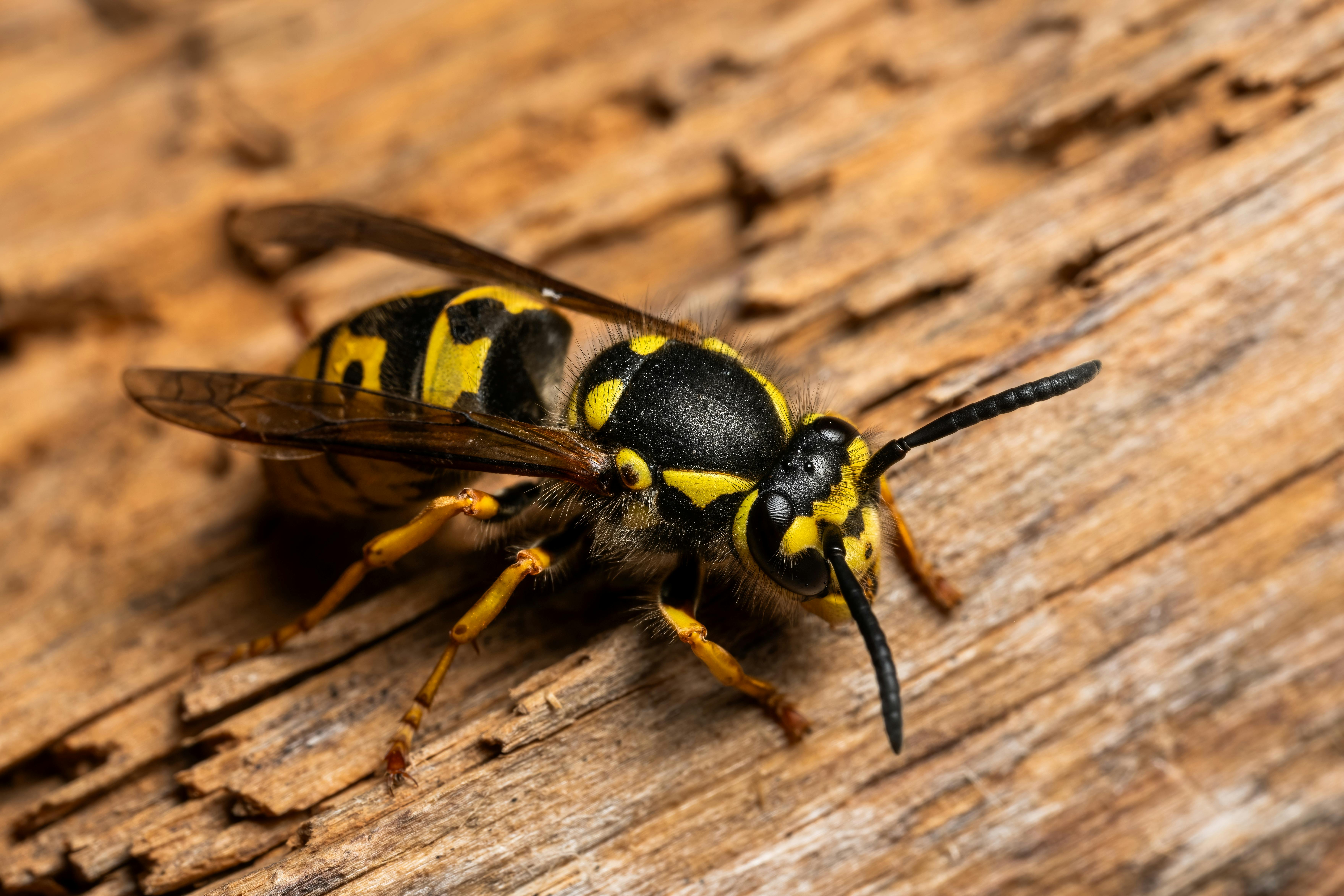
The Asian Hornet
This type of hornet, accidentally introduced to France over 20 years ago, is classified as an exotic and invasive species. It feeds primarily on insects, including honeybees. It wreaks havoc on the entire insect population and on wild pollinating insects. The impact on biodiversity, both plant and animal, is immense. Indeed, many species feed on the fruits of angiosperms, as do birds and mammals.
Furthermore, it is capable of destroying all the bees in one or more hives.
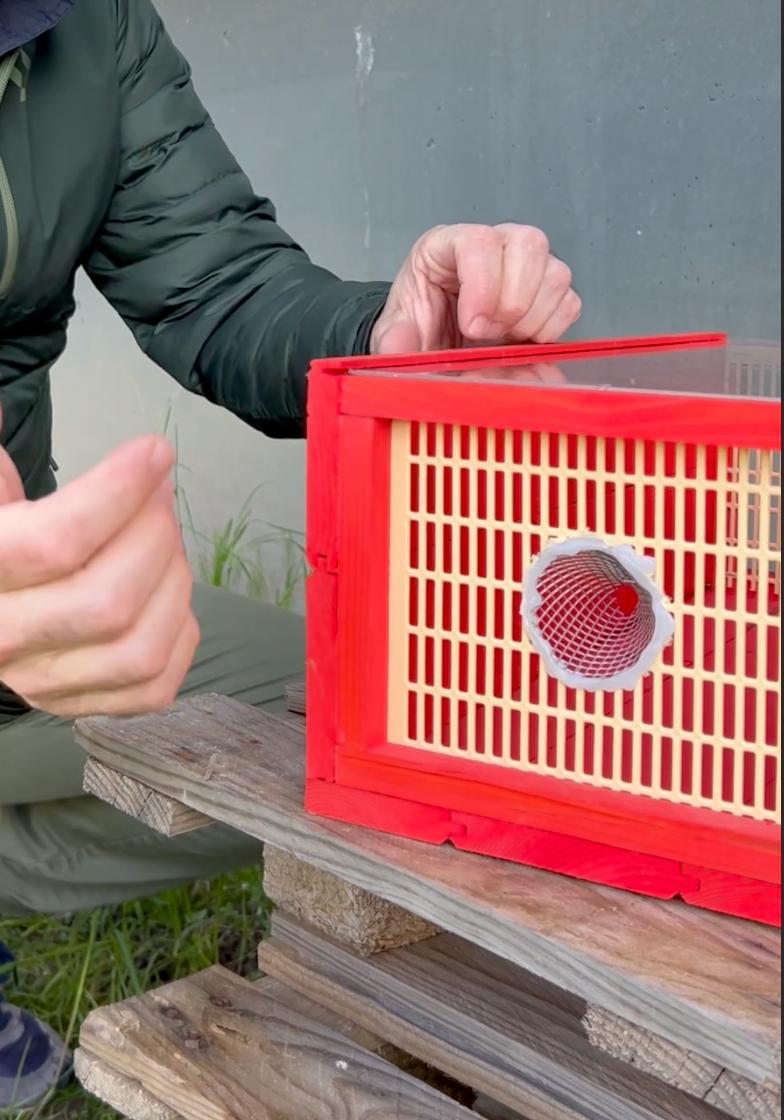
?How to trap
Spring trapping is by far the most effective way to limit the number of nests. In winter, all hornets die except for the fertilized females, which seek shelter to overwinter.
In spring, when the temperature reaches around 12°C (54°F), around mid-February in our region, they emerge from diapause. Having spent the entire winter living off their own reserves, they are looking for carbohydrates. The traps are baited simply with sugar: red fruit jam, bee candy, or any solid sugary bait.
Spring trapping simply involves capturing one or more of these females, the queens (gynes), the future queens of the hornet colonies and the origin of the nests. A queen captured means a nest that will not be built, containing several thousand hornets. Furthermore, each nest built will release approximately 350 new fertilized females in October for the following year.
The trap must be 100% selective and must not capture any other insects. This type of cone, simply screwed onto a one-kilogram jar, will only capture future Asian hornet queens. It should be placed horizontally in an open area, such as a garden, and if possible, in the shade. It should be removed at the end of May.
Preferred locations for trapping:
– Around the previous year’s nests.
– Near residential buildings, sheds, garden sheds, dead wood, old stone walls… Any structure that could have sheltered queens during their overwintering.
– Near the first blooms attracted by bees or other insects.
Terraces and balconies in urban or rural areas.
The trap should not be placed on the ground, but rather at a height of about 1.5 meters, except in already elevated locations.
Preferred bait:
Any solid carbohydrate: Bee candy, red fruit jams…
Don’t hesitate to place a few small sticks or stones on the bait; this will prevent the insects from getting stuck.
For those who prefer trapping with liquid: mix 1/3 red fruit syrup (blackcurrant), 1/3 dark beer, 1/3 white wine. The mixture must be poured onto a sponge or a grid to prevent drowning.
Please report your catches so we can adjust our trapping strategy. A simple text message is all it takES – Number phone +00 33 (0)6 72 93 83 13
Thank you all.
Setting a hornet trap (video)
Thanks to the Act for Planet association, we were able to install an Asian hornet trap on our logistics site in Peyruis in the Alpes-de-Haute-Provence.